Level 3, Dawson House
The Park Centre for Mental Health Treatment
Research and Education, Wacol, QLD 4076
P: +61 7 3271 8660

Latest News
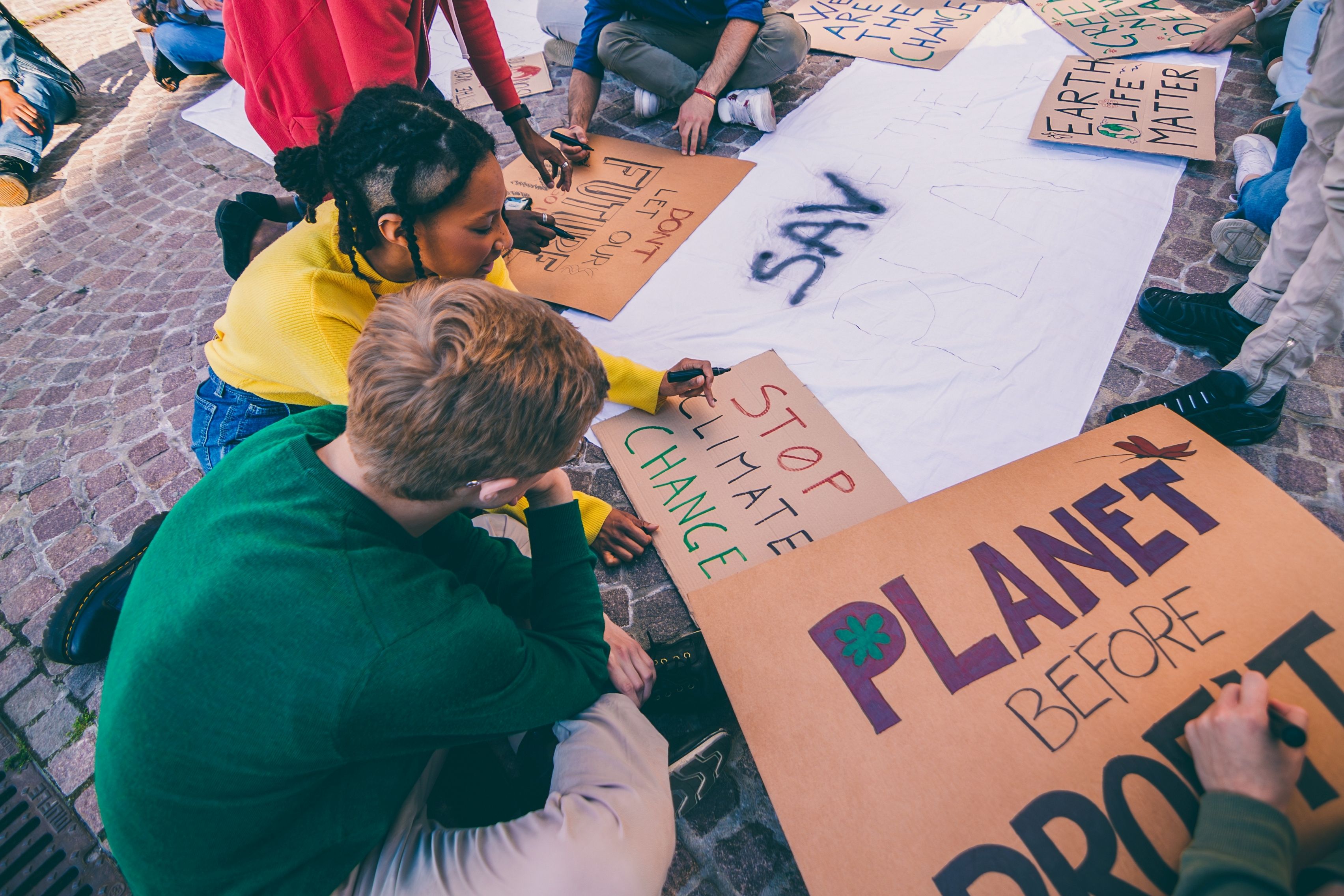
Climate anxiety: young Australians coping through action
As more young people experience anxiety about climate change, new research suggests the answer is not to talk them out of their feelings, but to help them understand those feelings and find safe, meaningful ways to respond.
In a recent survey of more than 700 young Australians, those who felt greater concern about climate change were also more likely to manage their emotions, find a sense of purpose and look for ways they could help.
The study, led by researchers at the Queensland Centre for Mental Health Research (QCMHR), surveyed young people aged 12 to 25 about how they cope with climate change.
Nearly half of the participants had already lived through a climate event, such as a flood or bushfire, or had witnessed their environment change over time. The study found that young people who had experienced a climate event were more likely to cope in active and constructive ways, by finding meaning, managing their emotions and thinking about what they could do.
Associate Professor Fiona Charlson, who leads the Climate Change and Mental Health Research Stream at QCMHR, said the findings challenge what we think about youth anxiety.
"When a young person expresses anxiety about climate change, our instinct as adults is to reassure them or minimise the threat. But this research tells us that those feelings don’t need to be switched off. They can actually be the starting point for something constructive," A/Professor Charlson said.
The study also found that young people who engaged in pro-environmental behaviours, such as reducing waste, making sustainable choices, or staying informed and involved, were more likely to use coping strategies that may support their mental health.
However, the findings also suggest that action alone is not always enough. Young people need support to take meaningful action without feeling like the weight of the climate crisis rests on their shoulders.
"What young people need most is to feel heard and supported, not fixed. If we can help them name what they are feeling, connect with others who share those concerns and find small ways to take meaningful action, we are giving them something far more valuable than reassurance. We are giving them a way through,” said A/Professor Charlson.
The study also showed that not all responses to climate anxiety help young people cope in the long term. Some young people, particularly those who had not personally experienced a climate event, were more likely to avoid thinking or talking about climate change.
But importantly, climate distress itself was not necessarily a sign that young people were coping poorly. In fact, young people who reported stronger emotional responses to climate change were less likely to report distancing or difficulty regulating their feelings, and more likely to use constructive coping strategies.
Social connection also played a meaningful role. Young people who felt supported were more likely to find meaning in what they were experiencing and to use strategies that helped them manage their emotions.
The findings suggest that climate worry should not simply be treated as a problem to be solved. For researchers, families, educators and people who work with young people, it shows that rather than treating climate worry as a problem to be solved, we might do better by helping young people understand their feelings and giving them the tools, the community and the space to respond.
This research was published in Chronic Stress.
Established in 1987, QCMHR is funded by Queensland Health to work state-wide and contribute to the local, national, and global research efforts to improve mental health.
Media contact:
Laura Corcoran, Research Communications Officer
HEAD OFFICE

ACKNOWLEDGEMENT OF COUNTRY
The Queensland Centre for Mental Health Research (QCMHR) acknowledges the Jagera, Yuggera, Ugarapul and Turrbal people as the Traditional Owners of the land on which QCMHR operates and their continuing connections to land, waters and community. We pay our respects to their Elders, past and present and stand together with all Aboriginal and Torres Strait Islander peoples.
RECOGNITION OF LIVED EXPERIENCE
We acknowledge people in our communities with lived experience of mental health, drug and alcohol concerns and those who care for them. We respect and value their generous contributions to our research.